|
- TENTS MAINTENANCE & CARE -
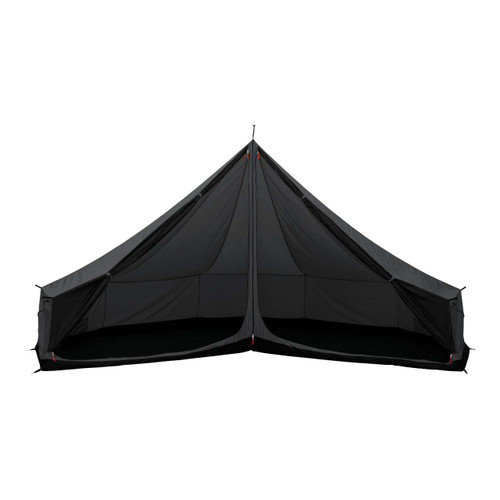
The advice given here applies equally to all
types of tent - lightweight, touring & frame
|
BEFORE USE
Get to know your tent before taking it away and using
it. Familiarise yourself with all the components by practicing
pitching it. This will also serve as a way of checking all the poles
are present and the different components are undamaged. |
| |
|
PITCHING |
|
Select
an area that is as flat as possible but avoid marshy. low lying
ground that could flood under conditions of heavy rain. It is better
not to pitch under trees, especially in very windy weather. They
also drip long after it has stopped raining and some may drop sticky
sap on your tent.
Make use of any
natural windbreaks, hedges, walls or boulders and where possible
face the tent away from a prevailing wind. Remove stones, sticks or
anything else that may damage the groundsheet. It's worth
considering extra protection beneath lightweight groundsheets. A
sheet of 500g polythene can not only offer protection but can also
keep the groundsheet free of wet and mud. |
| |
|
FLYSHEETS |
|
All flysheets will eventually degrade as a result of exposure to UV
light. To minimise damage, keep the tent packed away in a cool, dark
place when not in use. If pitching your tent in one location for
more than two to three weeks consider covering the flysheet with a
sheet of coloured plastic.
Some
nylon flysheets come with taped seams. Those that do not will need a
proprietary sealant applied to all major seams in order to prevent
water penetrating through the stitch lines. Ensure that this is
carried out in a dry and well ventilated area several days before
departure in order to allow the sealant to 'cure'. Tent flysheets
can be periodically re-proofed to extent their useful life. |
| |
|
PEGS RUBBERS & ZIPS |
When pitching, drive the pegs in at an angle - as
near as possible to 90° to the direction of the pull to get the best
grip in the ground. Normally, peg in line with the direction of the
seam except at corners where it is better to be about 45° to the
seam line.
Rubber guy loops should
be stretched sufficiently to tension the tent fabric without
overstretching. It is helpful to pitch the tent with the zips
closed. |
| |
|
GROUNDSHEETS |
|
Ensure that all groundsheet seams are sealed. Groundsheets can be
expensive to replace if ripped. Much better then to place a piece of
plastic sheeting or a dedicated nylon sheet that matches the floor
shape under your tent. On particularly rough ground place an
additional groundsheet underneath the tent to protect it but make
sure that water cannot seep or gather between the two near the outer
edges. |
| |
|
WET WEATHER |
Try to store all your gear in the tent or under the
flysheet, taking care to avoid having it in contact with the fabric.
A cotton flysheet, on first use or after a lengthy dry spell, may
let in some fine spray until the fibres swell and close the weave.
Tents made of synthetic material may well stretch or contract with
temperature changes and should be retensioned to ensure proper
performance. The thread used on these tents contains some cotton
which swells when wet and closes the stitch holes. |
| |
|
CONDENSATION |
| The moisture in the air, from your cooking and from
your breathe can, under certain conditions, form beads or drops of
water in contact with a cold surface. This condensation may occur on
tent poles or on the inside of a flysheet. To reduce condensation
avoid prolonged cooking under the flysheet and ensure that your tent
is well ventilated.
- DON'T CONFUSE
CONDENSATION WITH LEAKAGE - |
| |
|
DRY WEATHER |
| All tent fabrics can be weakened by prolonged
exposure to strong sunlight. With normal holiday or weekend use, a
good quality tent will have many years of life but extended periods
of use in bright sunlight can cause deterioration. If such use is
envisaged. then it would be wise to seek a site which is as shaded
as possible. |
| |
|
ZIPS |
| Treat them gently, never force them. Take the strain
off them by cross pegging and /or using the hook and eye fitted at
the base of many zips. Metal zips can be lubricated by lightly
running a candle up the zip to ease stiffness. Always close zips
before packing up. |
| |
|
PACKING UP |
If possible , pack up when the tent is dry. Clean off
any mud or grass and fold the tent with the zips partly open then
roll up towards the doors so that the air can easily escape. Ideally
the zips should then be fully closed. It is better if poles and pegs
are packed separately from the tent in their own carrying bags. |
| |
|
STORAGE |
| Tents are best stored opened out in a dry, well aired
place. If this is not possible, give the tent a really good airing
on a dry day before storing it back in its bag. Store pegs and poles
separately and, if putting away for any length of time, lightly
treat metal poles with a fine oil, Vaseline or WD40. Never store a
tent if it is damp and, even if the fabric is bone dry, make sure
that the zip tapes are also dry. |
| |
|
MILDEW |
This fungus is the most likely problem when storing
fabric for any length of time. It will attack fabrics which have
been stored in wet or damp conditions. Any early signs should be
treated immediately. Dry out thoroughly, air well, brush carefully
and reproof the area if necessary. Severe cases may need to be cut
out and patched or have the complete panel replaced. |
| |
|
FIRE PRECAUTIONS
- Always remember
that your tent can burn. Camp safely and follow these common
sense rules
- When siting,
ensure a minimum distance of 6 metres between adjacent tents or
awnings.
- Do not place
cooking, heating or lighting appliances near the sides or the
roof.
- Always observe
the safety instructions for these appliances
- Never allow
children to play near the lighted appliances
- Keep exits clear
- make sure you
know the fire precaution arrangements on the site.
- Consideration
should be given to ensuring that the tent you purchase conforms
to recommended quality and safety assurance standards.
|